


Ideograms of Perception
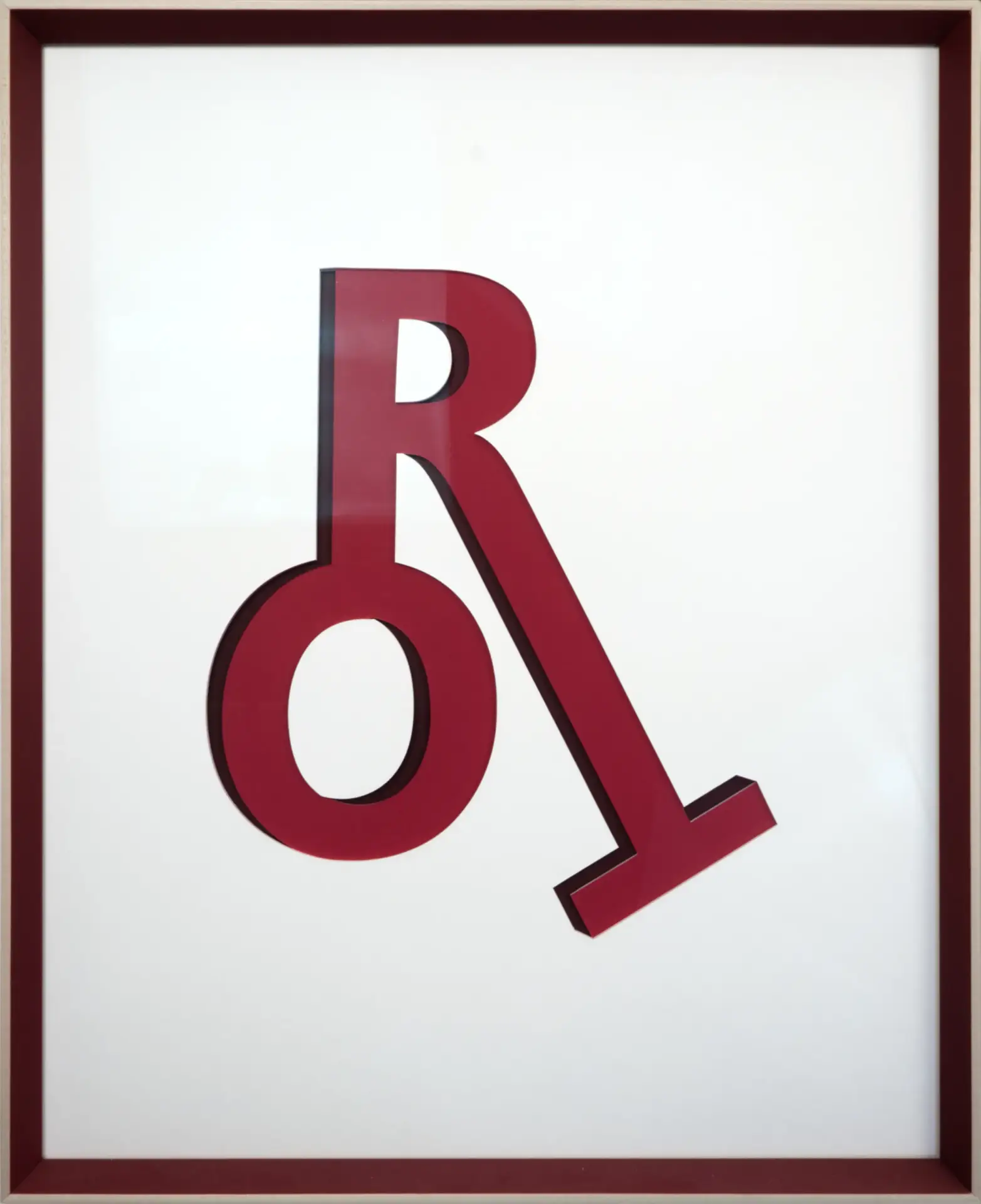
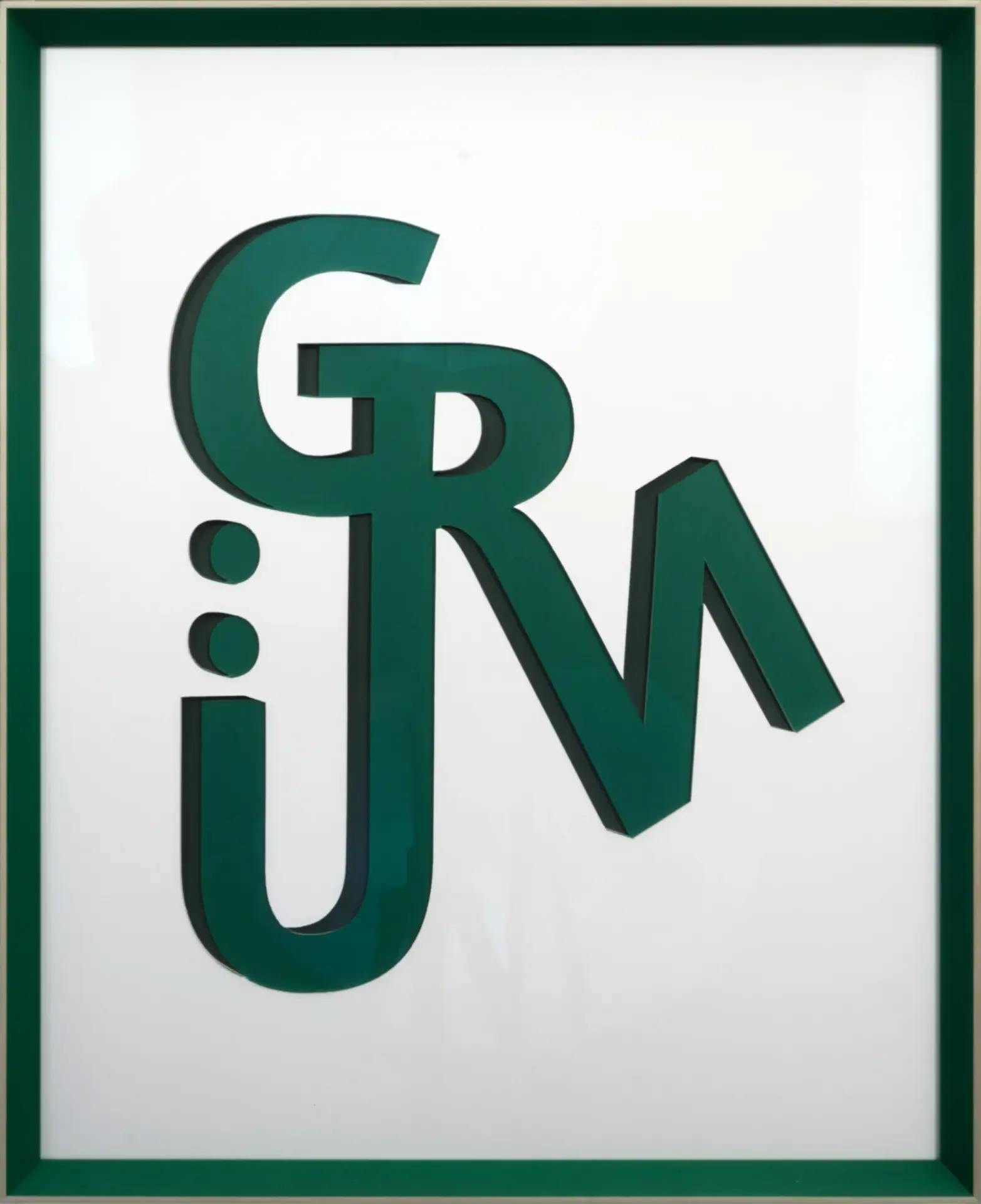
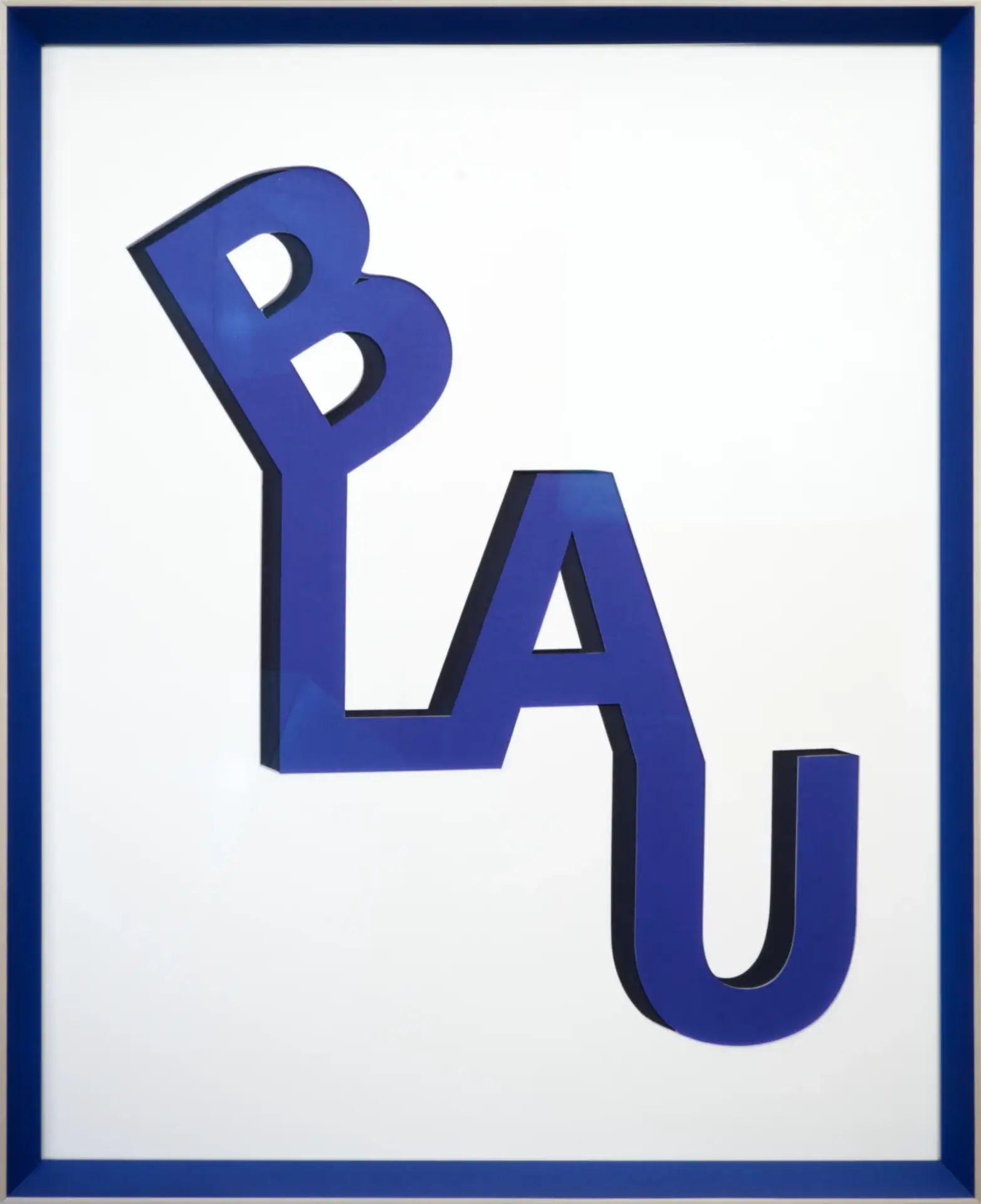
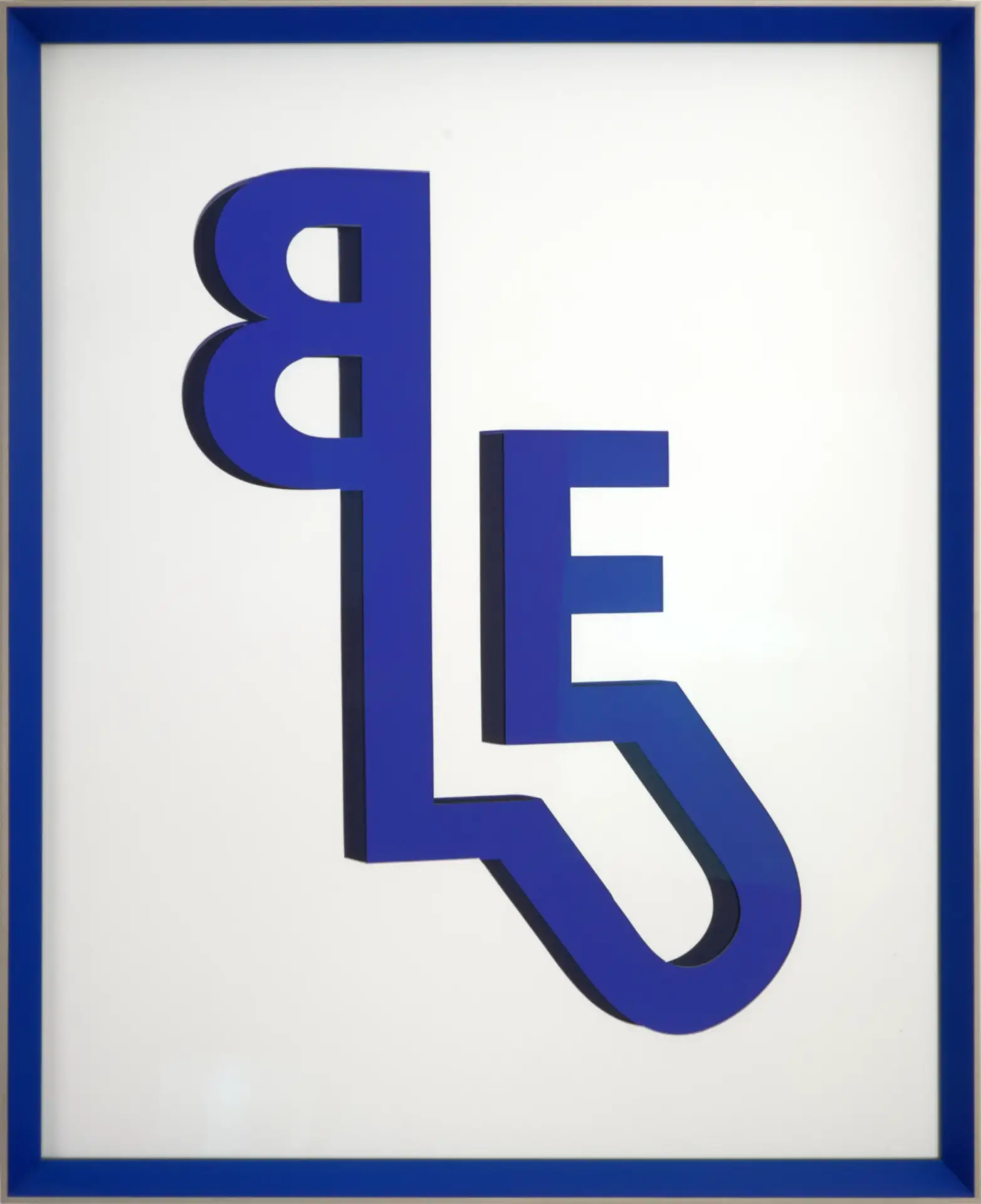
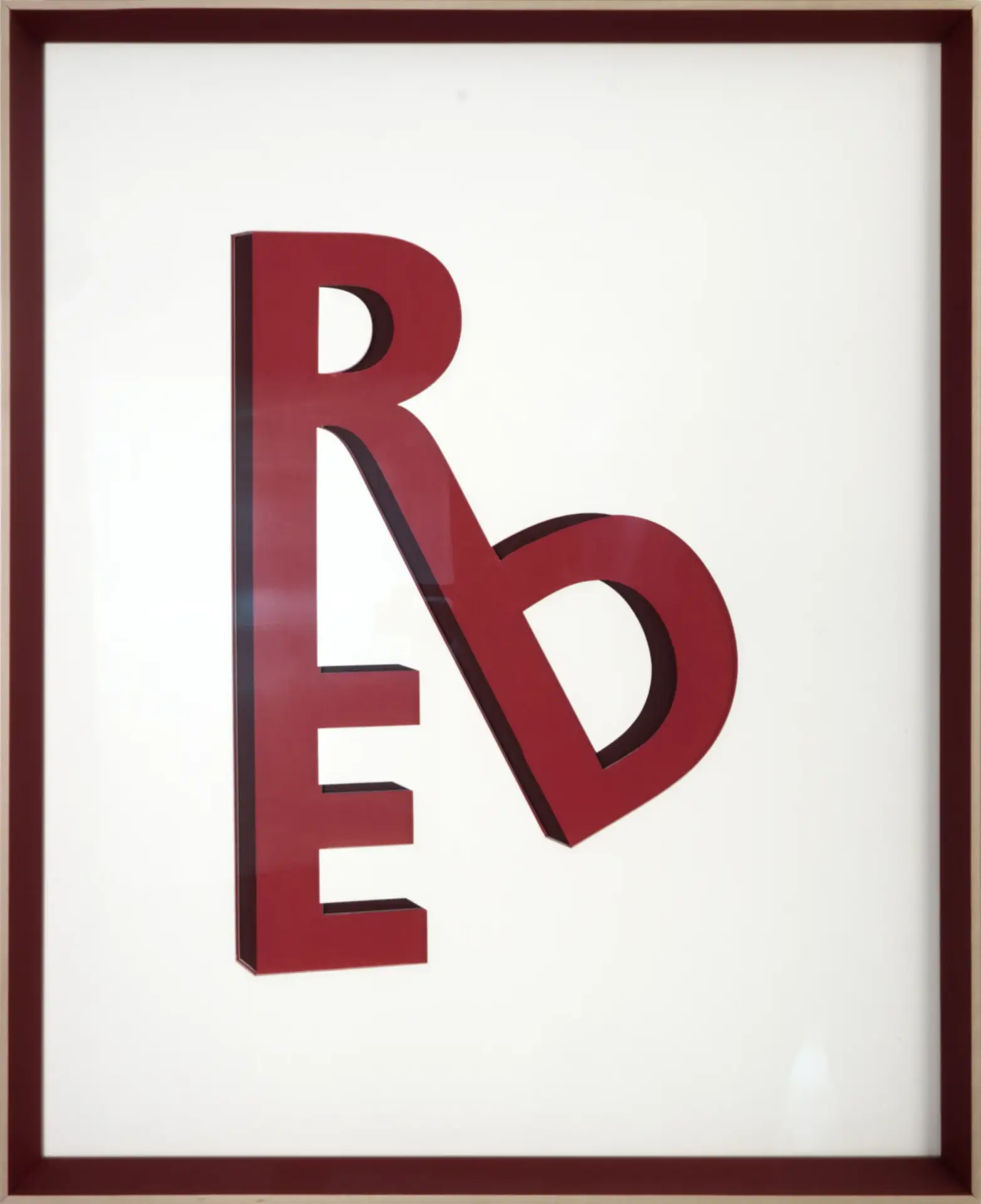
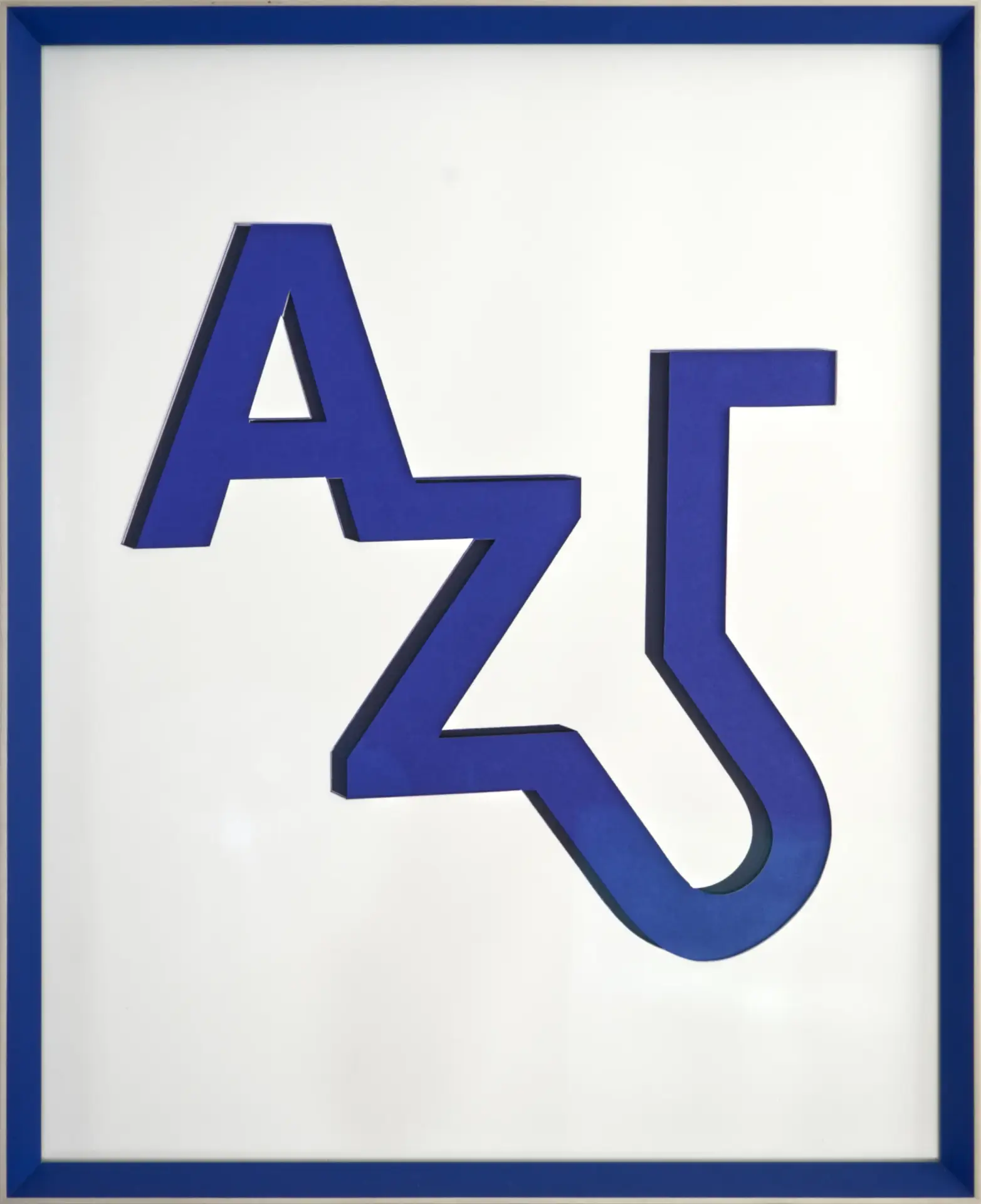
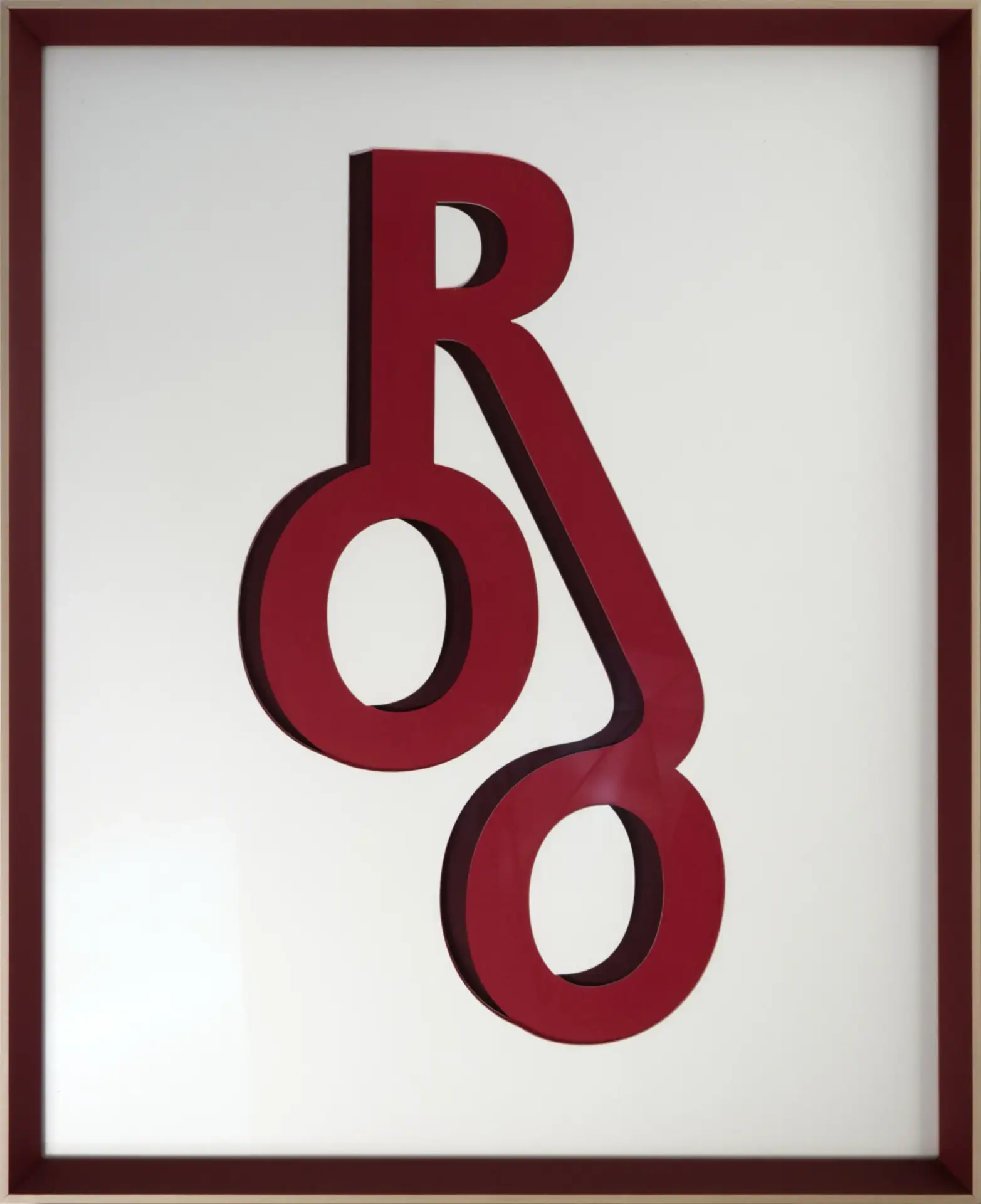
The RGB series is based on the act of transforming words into visual ideograms, inviting the viewer to decode them and engage in an act of creative and critical interpretation. Thus, the work becomes a space of connection, where meaning emerges from the interaction between the piece, the viewer and their linguistic or cultural context. This approach brings to light the active process of meaning-making, prompting reflection on order and hierarchy in both language and visual perception.
“An image is a spectrum of light decoded by the retina”, but we do not all decode it in the same way. This series engages with the trichromatic theory of vision (Young-Helmholtz), which explains how the human eye perceives colour through three types of cones. However, it challenges its universality: what happens when biology meets culture? Or when technology imposes its own rules of representation?
The RGB (red, green, blue) system, the basis of additive colour synthesis in digital devices, becomes a ‘visual alphabet’ that encodes meaning and defines not only how we see the world, but how it is presented to us. Its technical universality, however, clashes with the diversity of human perception, thereby exploring the duality between the objective (the light spectrum) and the subjective (its interpretation). This project questions the system of standardisation, which seeks to homogenise the visual experience. Digital perfection is an illusion; its apparent neutrality conceals biases and exclusions. In this work, RGB—an abstract system—becomes tangible. Here, the digital is re-materialised, challenging the notion that the virtual lacks a physical form or material consequences.
By translating the ideograms into different languages, the series explores how multilingualism and cultural relativity make our understanding of and interaction with others more flexible. Colour (RGB) is a universal system, but its name is culturally specific: ‘rojo’ in Spanish, ‘red’ in English, ‘rot’ in German… As Saussure pointed out, there is no natural relationship between the linguistic sign and the colour it designates. This arbitrariness links the work to structural linguistics and conceptual art, where meaning is not given but constructed.
Language, like colour, is an arbitrary code. There is no ‘correct’ way to perceive it, just as there is no single way to interpret an image. This idea calls for active tolerance: the recognition that difference is not an obstacle, but an essential condition of communication.